

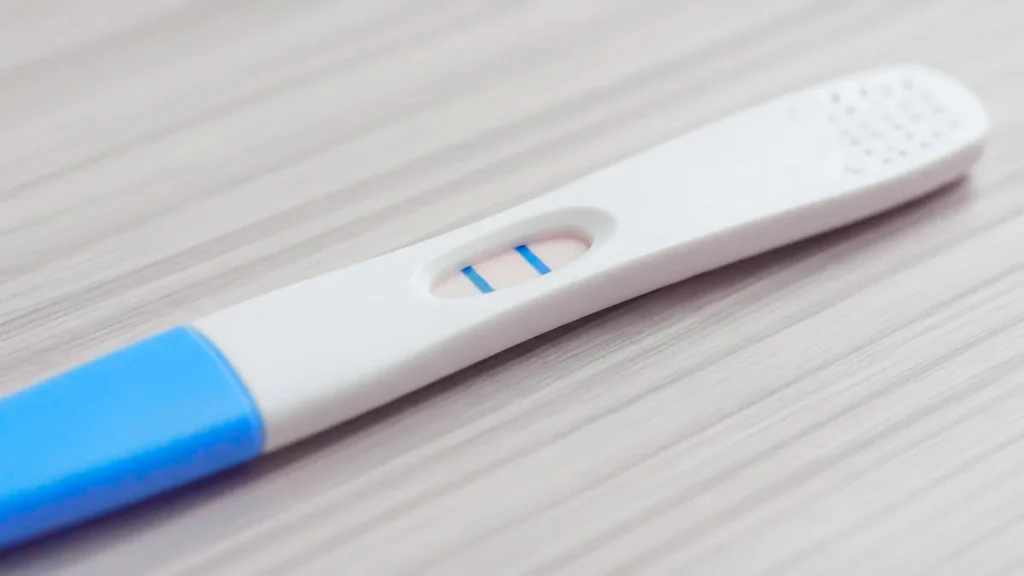
Six weeks. That’s when some states cut off abortion access, before most people even know they’re pregnant.
If you’re not sure when your window closes or what your options are right now, you’re not alone.
What the timeline actually looks like, and what you need to know before the clock runs out.
Knowing the real cutoffs, what affects them, and how to act quickly could be the difference between having a choice and running out of one.
Read on to get the full picture.
Factors that affect when you can get an abortion
The answer to “when can you get an abortion” isn’t just about weeks pregnant.
Several factors shape your actual window, and understanding each one helps you make a faster, clearer decision.
1. Health considerations
Your physical health directly affects which procedures are safe and when.
Certain conditions, like bleeding disorders or uterine abnormalities, may narrow your options or require specialist involvement.
If you have an IUD in place, understanding the chances of pregnancy with an IUD is also relevant, since that scenario introduces additional medical considerations that a provider needs to factor into the plan.
A provider will always review your medical history before confirming what’s available to you.
2. Fetal development milestones
Gestational age determines which abortion methods are clinically appropriate.
Medication abortion is typically available up to 10–12 weeks. After that, surgical procedures are used, and later in pregnancy, only specific providers perform them.
3. Local laws and regulations
Where you live often matters as much as how far along you are.
Some states ban abortion after six weeks, others after 15 or 22 weeks, and a few have near-total bans in place.
Laws change frequently, so checking a current resource, such as the Guttmacher Institute, is worth doing.
4. Provider availability
Even where abortion is legal, finding a provider isn’t always simple. Rural areas often have few or no clinics.
Wait times can push you past certain gestational limits. So availability isn’t just a logistical issue; it’s a clinical one too.
When Can You Get an Abortion?
Timing is everything when it comes to abortion access.
Most abortions, around 93%, take place in the first trimester, within the first 13 weeks of pregnancy.
That’s when the widest range of options is available to you, including medication abortion.
But “when” isn’t just about how many weeks pregnant you are. It’s also about where you live, what your health looks like, and whether a provider is actually reachable.
Understanding how many weeks are legally and medically available in yourstate gives you a clearer picture of what your actual window looks like before making any decisions.
In some states, legal access cuts off as early as six weeks, often before many people even know they’re pregnant.
In others, later procedures are available under specific circumstances. Knowing your timeline early gives you the most options.
Abortion by Trimester
How far along you are shapes everything, including which procedure is available, where you can get it, and what the process looks like.
First Trimester Abortions (Up to 12–13 Weeks)
This is the most common timeframe for abortion, and the one with the broadest range of options.
Medication abortion (the abortion pill) and in-clinic procedures like vacuum aspiration are both available. Both are highly effective; medication abortion has a success rate of around 95–98%.
Most people describe the experience as similar to an early miscarriage, with cramping and bleeding that resolves within a few weeks.
Second Trimester Abortions (13–27 Weeks)
Later abortions often happen because of delayed diagnosis, financial barriers, or difficulty accessing a provider earlier.
The main procedure used is dilation and evacuation (D&E), which is safe and effective when performed by a trained clinician.
Medical considerations increase slightly at this stage, particularly around cervical preparation and recovery time.
The procedure itself typically takes 10–20 minutes, though the full appointment takes longer.
Third Trimester Abortions (28 Weeks and Beyond)
These are genuinely rare, accounting for less than 1% of all abortions performed.
They almost always involve serious fetal anomalies or significant risks to the pregnant person’s health or life.
Legally, very few states permit them, and only a handful of providers in the country perform them.
The common assumption that they’re elective is not supported by the clinical reality of who needs them and why.
How far along can you get an abortion?
The short answer is yes, when performed by a trained provider in an appropriate clinical setting.
Research consistently shows that later-term abortion procedures carry low rates of serious complications.
Risk does increase slightly with gestational age, but that’s true of most medical procedures, and the absolute risk remains small.
What’s worth knowing is that the risk of continuing a pregnancy to term is statistically higher than the risk of abortion at any stage.
Stigma around later procedures often distorts how people understand the safety profile. The clinical picture is clearer than the public conversation suggests.
How to Take Care of Yourself or Your Partner After an Abortion
Recovery looks different for everyone, physically and emotionally. But there are some consistent things that help, whether you’re the one who had the procedure or you’re supporting someone who did.
Rest and Physical Recovery
Your body needs time to recover, and that’s not negotiable.
Most people feel well enough to return to normal activity within a day or two, but heavier exercise and penetrative sex should wait until a provider clears it.
Managing Pain and Bleeding
Cramping and bleeding are normal after any abortion procedure. Over-the-counter pain relief like ibuprofen usually manages discomfort well.
Bleeding can last up to two weeks, but heavy soaking or large clots warrant a call to your provider.
Emotional Wellbeing
Feelings after an abortion vary widely, from relief to grief, or both at once. None of those responses is wrong.
If emotions feel overwhelming or persistent, speaking to a counselor who specializes in reproductive health can genuinely help.
Don’t push through it alone.
Follow-Up Appointments
A follow-up visit confirms the procedure was complete and gives you a chance to ask questions. Don’t skip it, even if you feel fine.
It’s also a good time to discuss contraception options going forward if that’s relevant for you.
Supporting a Partner
If your partner had the abortion, showing up practically matters more than saying the right thing. Handle logistics, give them space to feel whatever they feel, and follow their lead.
Don’t project; ask what they actually need.
To wrap up
Abortion access comes down to one thing: timing.
The earlier you have the information, the more options you have, and the less pressure you’re under to make a fast decision in difficult circumstances.
If you or someone you know is trying to figure out next steps, don’t wait for clarity to come to you. Seek it out.
And if you found this helpful, share it with your friends.
People may ask
1. Can you get an abortion before a heartbeat is detected?
Yes. Medication abortion and vacuum aspiration are both available before cardiac activity is detectable, typically before six weeks.
2. Does abortion affect future fertility?
For most people, no. Safe, uncomplicated abortion procedures don’t affect the ability to conceive or carry a future pregnancy.
3. What if a pregnancy is discovered late?
Options narrow but don’t disappear. Where you live determines what’s available; seeking specialist advice quickly is essential.





One Response