

Prenatal vitamins get recommended for hair growth constantly — often by people who’ve never been pregnant and have no plans to be.
The logic makes a rough kind of sense: pregnancy vitamins must be good for you, so more of a good thing should be better.
That’s not how it works.
The side effects of prenatal vitamins when not pregnant are more common than most people expect, and a few of them go beyond just mild stomach trouble.
What are prenatal vitamins?
Prenatal vitamins are supplements formulated specifically to support a pregnant woman and a developing baby.
They’re not a regular multivitamin with a different label. The nutrient doses are calibrated for two bodies, not one.
Most prenatal vitamins contain folic acid, iron, calcium, iodine, and DHA.
That difference matters when someone outside of pregnancy takes them every day.
How do prenatal vitamins differ from regular multivitamins?
A standard multivitamin is built around the average adult’s daily nutritional needs. Prenatal vitamins take a very different approach.
The iron content in prenatal vitamins is usually around 27 mg per dose.
The NHS recommends 14.8 mg daily for women of reproductive age — so a prenatal formula exceeds that by almost double.
Most adult multivitamins contain 8 mg or none at all.
Folic acid in prenatal formulas often comes in at 600 to 800 mcg, compared to around 400 mcg in a regular supplement.
DHA, which supports fetal brain development, is also commonly added to prenatal formulas but is rarely found in standard adult multivitamins.
For someone who isn’t pregnant, taking these elevated doses daily puts consistent pressure on systems that don’t need the extra load.
Situations where non-pregnant people take prenatal vitamins
Not everyone taking prenatal vitamins is pregnant. There are a few common reasons people reach for them outside of pregnancy.
- Women who are trying to conceive often start prenatal vitamins early, sometimes months before a planned pregnancy.
- Some people take them for hair, skin, and nail benefits, particularly for the biotin and folic acid content.
- Postpartum women continue taking them while breastfeeding, since the nutritional needs during that stage are also higher than usual.
- Some people pick them up on a recommendation and don’t think much further about it.
Each of these situations comes with different levels of risk, and not all of them are equally safe for long-term use.
Side effects of prenatal vitamins when not pregnant
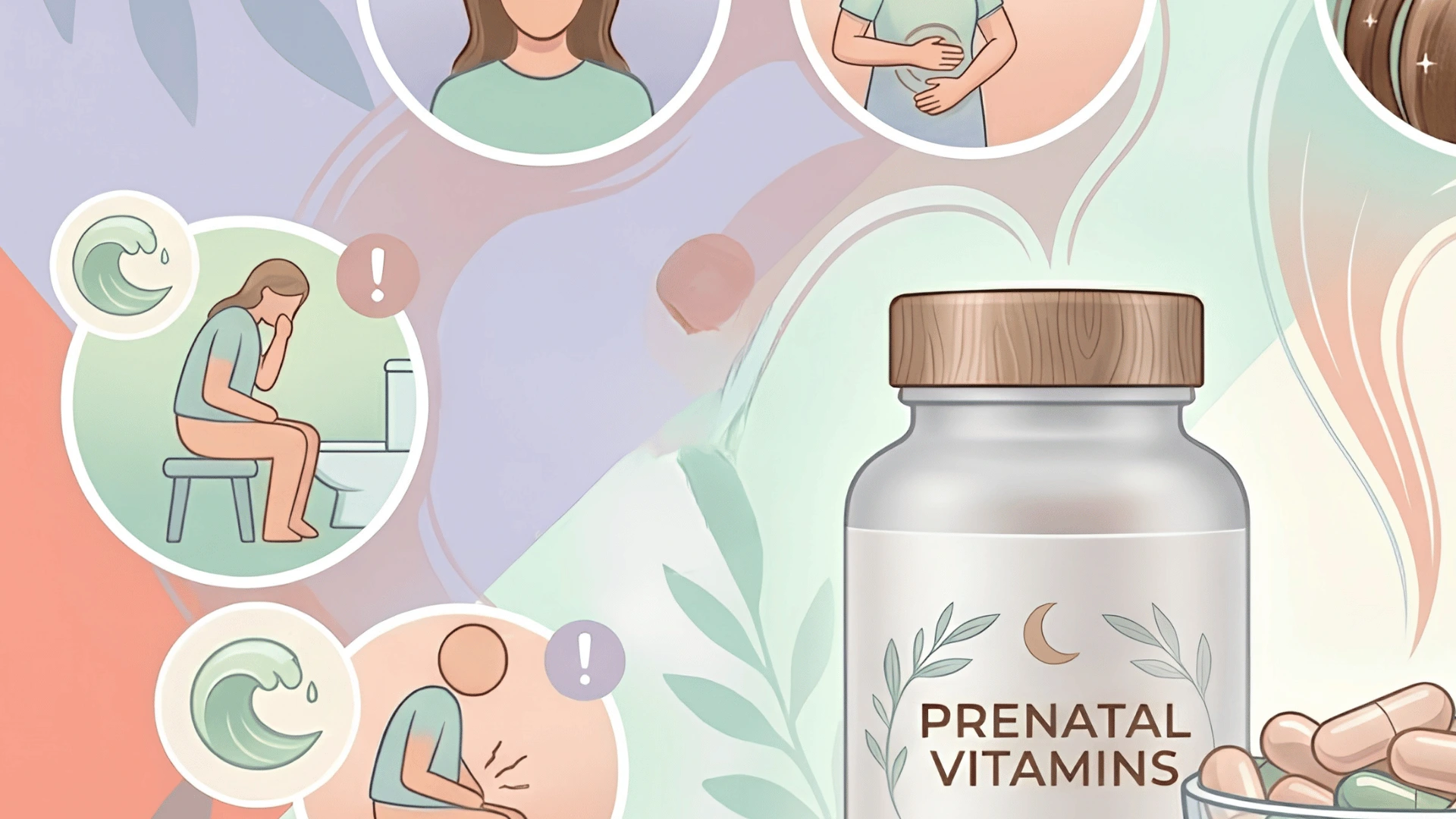
The side effects of prenatal vitamins when not pregnant range from mild and short-lived to worth taking seriously with prolonged use.
Here’s what to watch for.
1. Digestive discomfort
Digestive issues are the most commonly reported side effects of prenatal vitamins, and they tend to show up quickly after starting them.
Nausea
The iron in prenatal vitamins is often the main trigger for nausea. Taking the vitamin on an empty stomach makes this worse.
Most people find that taking it with food or right before bed reduces the nausea, though it does not eliminate it entirely for everyone.
Upset stomach
Some people get a general unsettled feeling that lasts most of the day — less sharp than nausea, but persistent enough to affect how they function.
Bloating
Bloating is another common complaint, particularly in the first few weeks.
The digestive system takes time to adjust to higher doses of certain minerals, and that adjustment period is not always comfortable.
2. Constipation
Constipation is one of the more disruptive side effects of prenatal vitamins, and it tends to last longer than the initial nausea.
Why iron is often the culprit
Iron slows down digestion. This is well-documented and happens regardless of whether the person is pregnant.
The higher the iron dose, the more pronounced the effect.
Prenatal vitamins typically contain more than three times the iron found in regular adult multivitamins, which explains why constipation is so frequently reported.
How severe it can become
For some people, it stays at the level of mild sluggishness that responds to increased water intake and fiber.
For others, it becomes genuinely uncomfortable and requires stool softeners or a dietary overhaul to manage.
If constipation does not improve within a week or two, the supplement is probably not agreeing with your system — speak to a GP before continuing.
3. Diarrhea in some individuals
Not everyone experiences constipation.
Some people have the opposite reaction, particularly if they are sensitive to high doses of magnesium or vitamin C, both of which are common in prenatal formulas.
Diarrhoea that doesn’t settle within a few days of starting the supplement is a sign the formula isn’t the right fit.
4. Metallic taste in the mouth
A metallic taste is a known side effect of iron supplementation.
It is usually mild and temporary, but some people find it persistent enough to affect their appetite or make food less enjoyable.
Drinking water immediately after taking the vitamin and avoiding iron-rich foods around the same time can help reduce it.
5. Headaches and mild dizziness
Some people report headaches in the first few days after starting prenatal vitamins. This is often linked to the higher doses of B vitamins or changes in iron absorption.
Mild dizziness has also been reported, particularly in people who are not iron deficient and do not need the supplement in the first place.
6. Dark or black stools
Why this happens
Dark or black stools after starting an iron supplement are a direct result of unabsorbed iron passing through the digestive tract.
The iron reacts with compounds in the gut and changes stool color. This is the same whether the supplement is a prenatal vitamin or a standalone iron pill.
When it is normal
Dark stools that appear after starting an iron-containing supplement are generally harmless and expected.
They do not indicate bleeding. However, if the stools are tarry, sticky, or come with stomach pain, that warrants a call to a doctor to rule out other causes.
7. Iron overload: one of the biggest concerns
Of all the potential side effects of prenatal vitamins when not pregnant, iron overload is the one that deserves the most attention, particularly with long-term use.
Why do prenatal vitamins contain more iron?
Pregnancy increases the body’s demand for iron significantly.
Blood volume rises, the developing baby needs iron for organ development, and the risk of anemia goes up.
Prenatal vitamins are formulated to cover that increased need, which is why the iron content is much higher than what most non-pregnant adults require.
Signs you may be getting too much iron
Early signs of iron overload include fatigue, joint pain, stomach discomfort, and changes in skin color.
Over a longer period, excess iron can affect the liver and other organs.
Most healthy adults have natural mechanisms to regulate iron absorption, but those mechanisms are not foolproof, especially with consistently high supplemental intake.
Who is most at risk?
- People with hereditary hemochromatosis, a condition that causes the body to absorb too much iron, are at the highest risk.
- But even without that condition, people who are not iron deficient and take high-dose iron supplements regularly are putting unnecessary strain on their system.
- Women who have gone through menopause are also at higher risk, since the monthly iron loss that helped regulate levels is no longer happening.
For women still in their reproductive years, understanding the chances of getting pregnant with anIUD is also relevant when weighing whether prenatal vitamins belong in the picture at all.
Can you take prenatal vitamins without being pregnant?
Technically, yes. Prenatal vitamins are available over the counter, and there is no restriction on who can purchase or take them.
But being able to take something is not the same as it being right for your body.
For women in their reproductive years who are actively trying to conceive, starting prenatal vitamins early makes practical sense.
Folic acid, in particular, plays a role in early fetal development before most women even know they are pregnant, so building those stores beforehand has real value.
For someone with no plans to become pregnant, the benefits of prenatal vitamins over a regular adult multivitamin are minimal, and the risk of side effects is higher.
Are prenatal vitamins safe for everyday use?
For women planning to get pregnant or currently breastfeeding, regular use is generally considered appropriate and often recommended by doctors.
For everyone else, the picture is less clear.Prenatal vitamins are not toxic in a single dose, and taking one occasionally is unlikely to cause harm.
The same careful approach to placement and consistency applies to hormone-based supplements too, which is why knowing where to apply estrogen patches correctly matters as much as the dosage itself.
The concern comes with consistent, long-term use when the body does not actually need those elevated nutrient levels. Over time, excess iron and fat-soluble vitamins can accumulate and cause real problems.
If you’re not pregnant, trying to conceive, or breastfeeding, it’s worth speaking to a GP before making prenatal vitamins a daily habit. A standard blood panel can tell you whether your iron levels actually warrant the higher dose.
Can prenatal vitamins cause weight gain? (the truth behind this common myth)
Prenatal vitamins do not directly cause weight gain.
Vitamins and minerals do not contain calories in any meaningful amount, and there is no mechanism by which a supplement alone would add weight.
This is one of the more persistent myths around prenatal vitamins, but it does not hold up to scrutiny.
Why some people think prenatal vitamins cause weight changes
The confusion likely comes from context.
Many people start prenatal vitamins during pregnancy or while trying to conceive, both of which are periods when the body is changing in other ways.
Any weight changes during that time are more likely tied to hormonal shifts, dietary changes, or reduced activity than to the vitamins themselves.
Some people also report increased appetite after starting prenatal vitamins, which could indirectly affect weight if it leads to eating more. But that is appetite-changing, not the supplement storing fat.
Benefits of taking prenatal vitamins when not pregnant
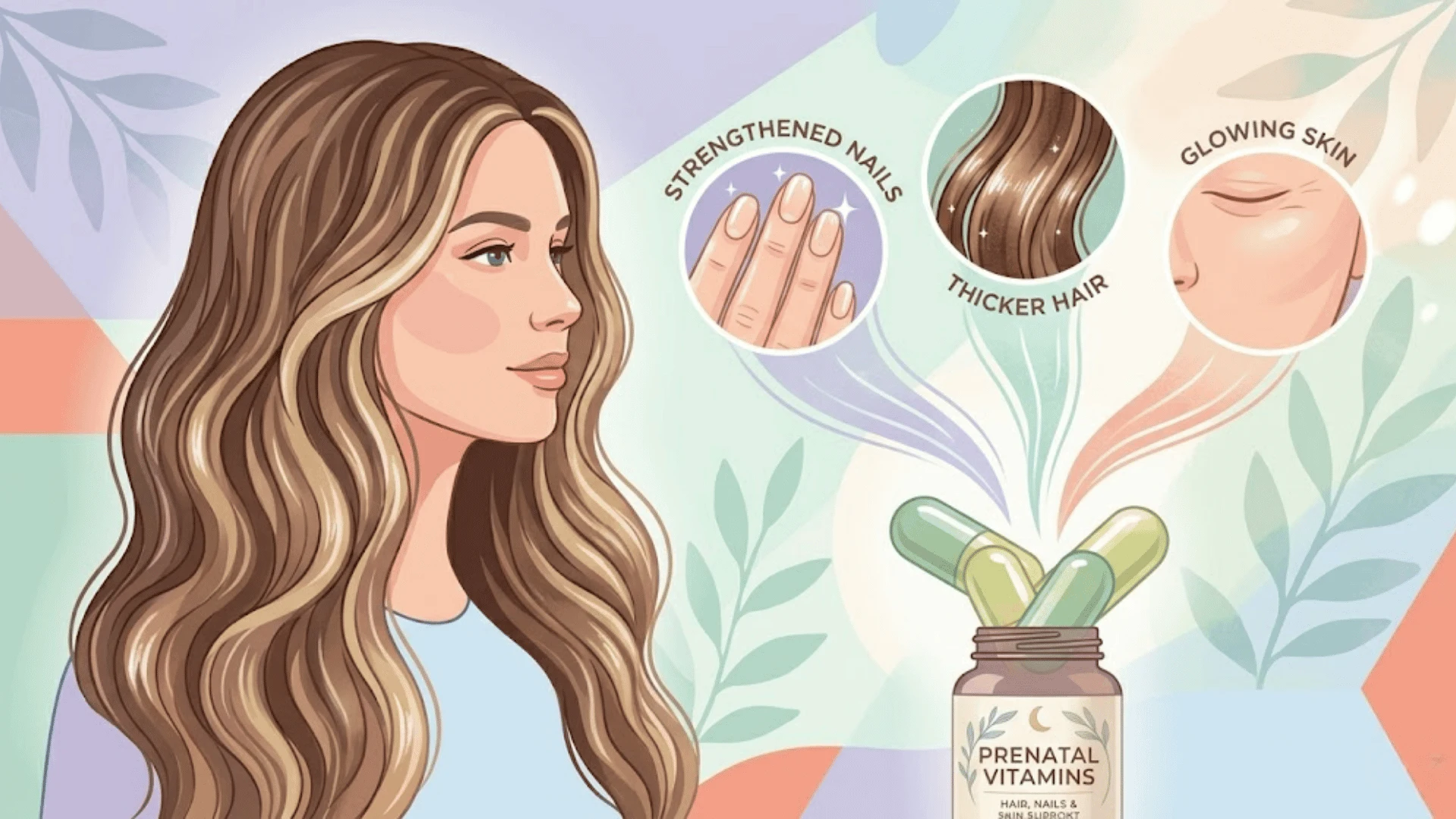
To be fair to both sides of this topic, prenatal vitamins are not all risk and no reward for non-pregnant individuals.
- Folic acid support before conception: Helps build folate stores early, which matters for neural tube development in the first weeks of pregnancy.
- Covers nutritional gaps during breastfeeding: Supports higher postpartum nutrient demands without needing multiple separate supplements.
- Helpful for iron-deficiency anemia: The higher iron content can benefit those with a diagnosed deficiency, though medical guidance is recommended.
- Supports hair and nail health: Folic acid and biotin in the formula may strengthen hair and nails over time with consistent use.
- Provides DHA for brain and eye health: Many prenatal vitamins include DHA, which supports brain function and is not commonly found in regular multivitamins.
- Iodine for thyroid support: Prenatal vitamins typically include iodine, which plays a role in healthy thyroid function for people whose diets lack it
For everyone else, the benefits are largely available through a regular adult multivitamin without the elevated iron dose and other pregnancy-specific nutrients that the body does not need.
Conclusion
Prenatal vitamins are designed with a specific purpose, and they do that job well.
The side effects of prenatal vitamins when not pregnant, from constipation and nausea through to the longer-term concern of iron overload, are worth taking seriously before making them part of a daily routine.
If you’re trying to conceive or breastfeeding, they make sense.
If you’re taking them for hair or general health, a regular multivitamin does the same job without the iron load.
For everything else, a GP can run a simple blood panel to tell you what your body actually needs — and whether a prenatal formula is the right way to get there.
This article is for informational purposes only and is not a substitute for medical advice. If you’re considering prenatal vitamins for any reason, speak to a GP — especially before long-term use.
People Also Ask
1. Is it okay to take prenatal vitamins for hair growth?
They may support hair health, but a standalone biotin supplement works just as well without the extra iron.
2. Can prenatal vitamins affect hormones?
Prenatal vitamins do not directly alter hormone levels, but high doses of certain nutrients can affect how the body functions.
3. Should men take prenatal vitamins?
No, prenatal vitamins are not suitable for men. The nutrient ratios are designed for pregnancy, not male biology.





One Response