


Perimenopause vs menopause can feel hard to name when your period changes, sleep breaks, and moods feel unfamiliar.
I want to make the difference clear without making your body sound like a problem to solve. Perimenopause is the transition before menopause, when hormones shift and periods may become irregular.
Menopause is confirmed after 12 months without a period.
I have spent significant sessions explaining perimenopause symptoms, menopause signs, stages, pregnancy risk, and when bleeding or distress needs medical care.
My goal is to help you read your symptoms with less fear and more useful next steps.
Differences in perimenopause vs menopause
Perimenopause and menopause are connected, but they are not the same stage. This table gives the simplest difference before the details.
| Point of comparison | Perimenopause | Menopause |
|---|---|---|
| Meaning | The transition before menopause | The point was confirmed after 12 months without a period |
| Periods | Irregular, heavier, lighter, closer together, or skipped | Stopped for 12 straight months |
| Hormones | Estrogen and progesterone rise and fall unevenly | Estrogen stays lower overall |
| Ovulation | Can still happen | Has stopped naturally |
| Pregnancy | Still possible | Natural pregnancy is no longer expected |
| Symptoms | Often unpredictable | May continue, but periods have ended |
Think of perimenopause as the road leading up to menopause. Menopause is the marker reached after one full year without bleeding.
What is perimenopause?
Perimenopause is the transition before menopause. It often starts in the 40s, but it can begin earlier or later.
What matters most: Your periods still happen, but they may change. They can become irregular, heavier, lighter, closer together, or skipped.
Because estrogen levels rise and fall unevenly, symptoms may come and go.
- Period changes: Irregular, heavy, light, or skipped bleeding.
- Hot flashes: Sudden heat, sweating, or night sweats.
- Sleep trouble: Waking often or feeling tired.
- Mood changes: Anxiety, irritability, low mood, or brain fog.
- Vaginal changes: Dryness, discomfort, or lower sex drive.
Not every symptom is perimenopause. Pregnancy, thyroid problems, anemia, stress, and medication side effects can look similar.
What is menopause?
Menopause is the point when you have gone 12 months without a period, with no other medical reason for it.
What matters most: menopause is confirmed after the 12 months have passed. It is not diagnosed after one missed period.
After menopause, periods stop. Hormone levels remain low, but symptoms may persist.
- No periods: Bleeding has stopped for 12 months.
- Hot flashes: These may continue after the period ends.
- Sleep changes: Night waking can still happen.
- Vaginal dryness: Sex may feel uncomfortable or painful.
- Urinary changes: Urgency or frequent UTIs may occur.
Bleeding after menopause should always be checked by a doctor, even if it seems light.
Stages of menopause
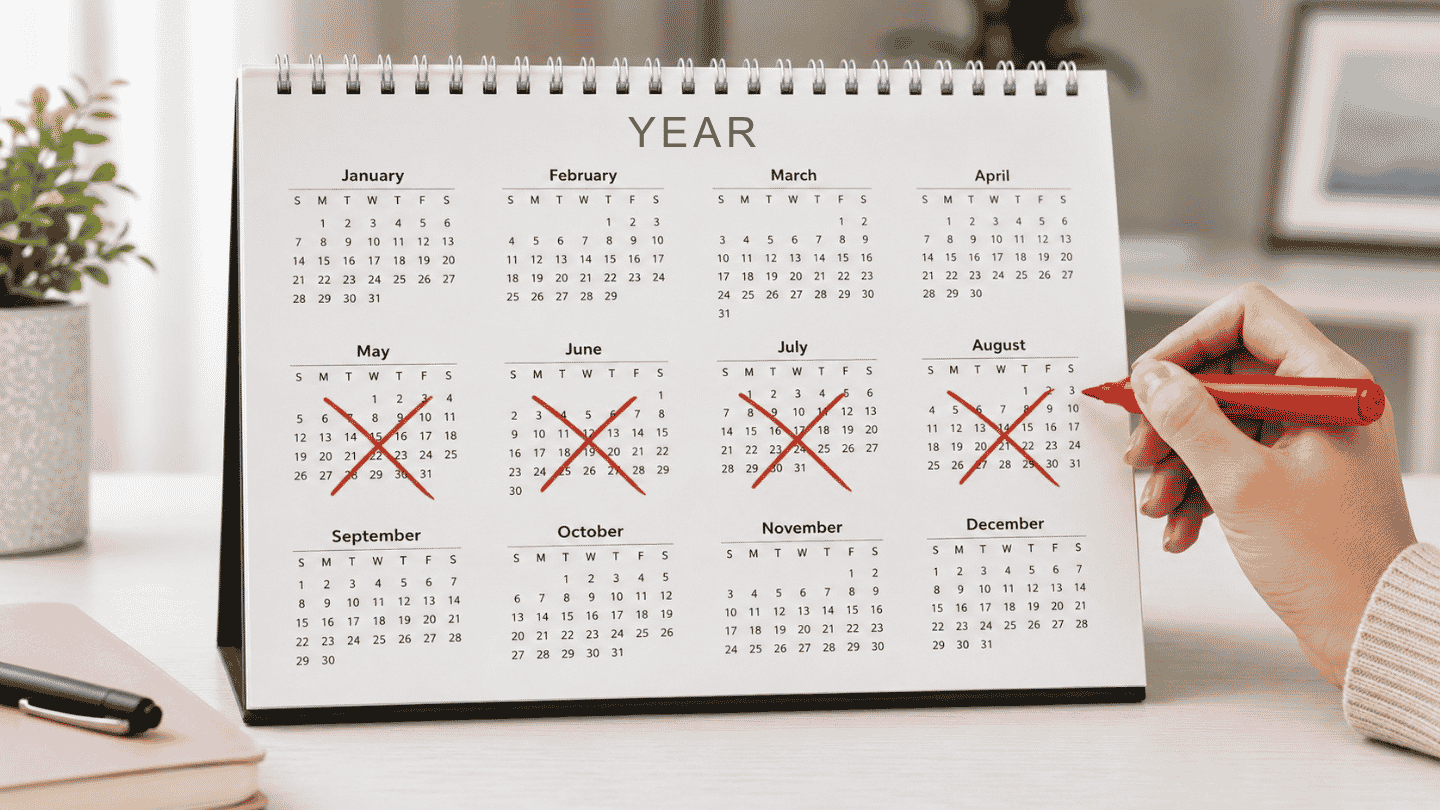
The terms around menopause can feel confusing at first. This table shows where each stage fits and what usually changes.
| Stage | What it means | What usually happens |
|---|---|---|
| Premenopause | The years before the menopause transition begin. | Periods still follow the usual pattern, with no clear menopause-related cycle changes. |
| Perimenopause | The transition stage before menopause. | Periods may change, symptoms may come and go, and pregnancy can still happen. |
| Menopause | The point after 12 months without a period. | Periods have stopped. It is not diagnosed after one missed period. |
| Postmenopause | The years after menopause. | Symptoms may improve, but hot flashes, vaginal dryness, urinary changes, or sleep issues can continue. |
These stages are not about “good” or “bad” health. They simply help explain where period changes, symptoms, and medical decisions fit.
How to manage perimenopause and menopause symptoms
Perimenopause and menopause symptoms are easier to manage when you match support to the symptom.
You don’t have to push through hot flashes, poor sleep, mood changes, vaginal dryness, or heavy bleeding alone.
Track your symptoms, bleeding, sleep, hot flashes, mood, pain, discomfort, urinary issues, and triggers to help you and your clinician identify patterns.
Hot flashes and night sweats
Hot flashes and night sweats can be uncomfortable, but small changes may help reduce triggers.
- Cooler Sleep: Keep your bedroom cool, use breathable bedding, and dress in light layers.
- Trigger Tracking: Notice whether alcohol, caffeine, spicy food, stress, or warm rooms worsen symptoms.
- Calming Tools: Slow breathing, stretching, regular movement, or relaxation exercises may help some people feel more settled.
If hot flashes are frequent, severe, or affecting sleep, ask a clinician about treatment options. Hormone therapy or nonhormonal medications may help some people.
Sleep trouble
Sleep changes can happen during both perimenopause and menopause, especially when night sweats, anxiety, or urinary symptoms are involved.
- Steady Routine: Try to wake up and go to bed around the same time most days.
- Less Late Caffeine: Caffeine later in the day can worsen broken sleep.
- Night Sweat Support: If sweating keeps waking you, treating hot flashes may also improve sleep.
Poor sleep should not be brushed off if it affects mood, work, relationships, or daily energy.
Mood changes and brain fog
Anxiety, irritability, low mood, brain fog, and overwhelm can happen during perimenopause. These symptoms are real, and they deserve care.
- Symptom Notes: Track mood changes with your cycle, sleep, stress, and hot flashes.
- Mental Health Care: Therapy, stress support, regular movement, or medication may help depending on your needs.
- Urgent Support: Severe depression, panic, or thoughts of self-harm need urgent help.
Hormone shifts can play a role, but thyroid issues, anemia, sleep loss, grief, burnout, and medication side effects can also affect mood.
Vaginal dryness, sex discomfort, and urinary changes
Vaginal dryness, pain during sex, urgency, and frequent UTIs can happen when estrogen levels are lower. These symptoms are common but treatable.
- Lubricants: Use during sex to reduce friction and discomfort.
- Moisturizers: Vaginal moisturizers can help with day-to-day dryness.
- Medical Options: Prescription vaginal estrogen or other local treatments may help when symptoms continue.
You do not need to wait until sex becomes painful or urinary symptoms become frequent before asking for help.
Heavy or irregular bleeding
Irregular bleeding can happen during perimenopause, but heavy bleeding still needs attention.
- Track Bleeding: Note how often you bleed, how heavy it is, and whether clots appear.
- Check Causes: Pregnancy, fibroids, polyps, thyroid issues, anemia, medication effects, or other conditions may need to be ruled out.
- Ask Early: Soaking pads quickly, feeling weak, bleeding after sex, or bleeding between periods should be discussed with a clinician.
Treatment depends on the cause. Options may include iron support, hormonal treatment, nonhormonal medication, or further testing.
Can you still get pregnant during perimenopause?
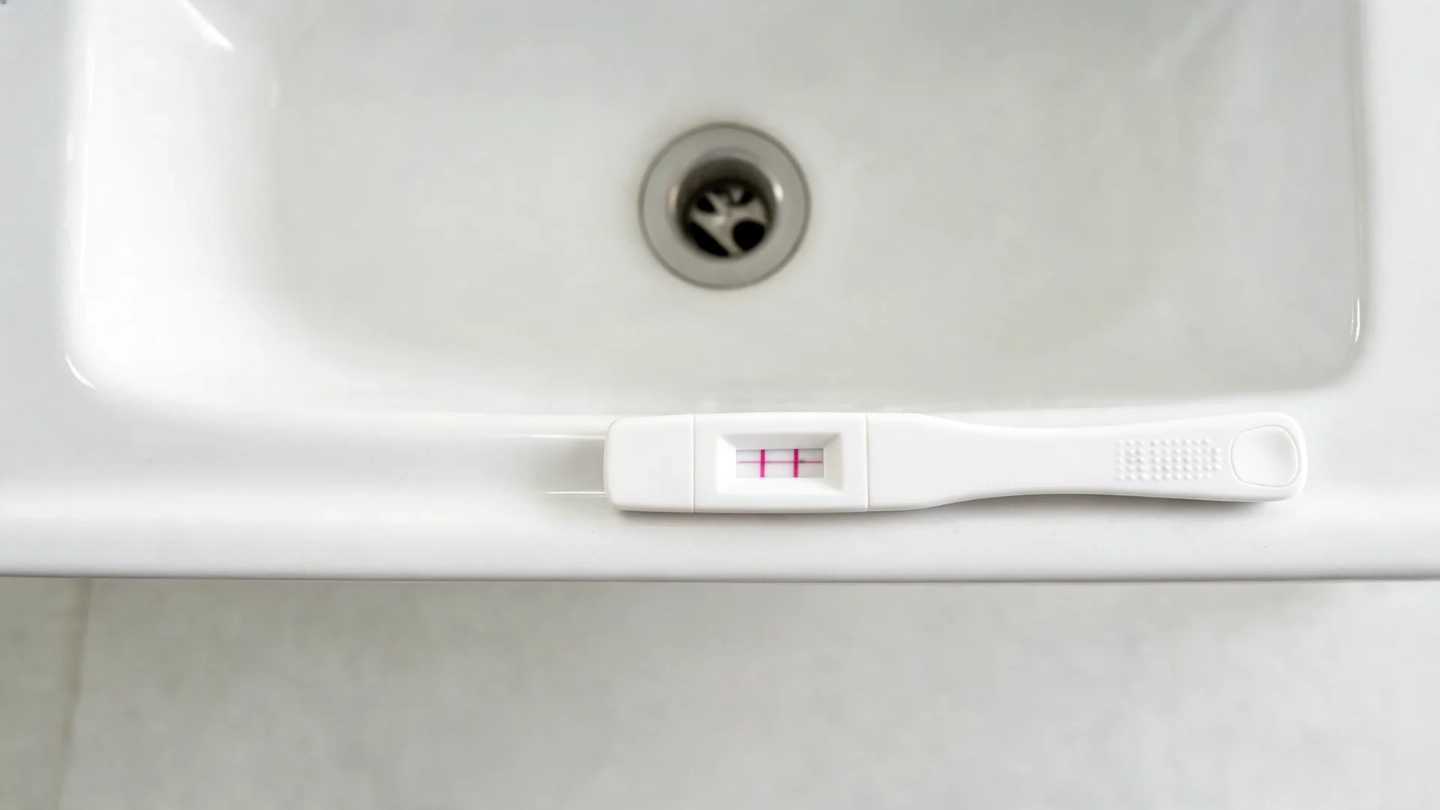
Yes, pregnancy is still possible during perimenopause. This matters because irregular periods do not always mean ovulation has stopped. Ovulation can still happen, even when cycles are unpredictable.
If pregnancy is possible and not wanted, contraception is still important until a clinician says it is safe to stop. Some hormonal contraceptive options can also affect mood, and understanding whether birth control causes anxiety is worth looking into before choosing a method during perimenopause. The Reproductive Health Access Project notes that pregnancy can still occur in the 40s, even as fertility falls.
A missed period in perimenopause can mean many things. It may be a hormone change, pregnancy, stress, thyroid disease, weight change, illness, or medication effects. When in doubt, take a pregnancy test and ask for medical advice.
Perimenopause supplements
Perimenopause supplements can be confusing because many are marketed as quick hormone fixes. A safer way to look at them is by asking what they may help with and when you should be careful.
| Supplement | May Help With | Use Caution If |
|---|---|---|
| Vitamin D | Low vitamin D, bone health, and general wellness | You take high doses or have kidney disease |
| Calcium | Bone strength after menopause | You have a kidney stone risk, or you already get enough from food |
| Iron | Heavy periods, low iron, anemia | You have not checked your iron levels |
| Magnesium | Sleep trouble, constipation, muscle tension | You have kidney disease, or it causes diarrhea |
| Soy Isoflavones | Mild hot flashes or night sweats | You have hormone-sensitive health concerns |
| Red Clover | Mild hot flashes or night sweats | You take blood thinners or have hormone-sensitive concerns |
| Black Cohosh | Hot flashes or night sweats | You have liver disease or unexplained liver symptoms |
| Melatonin | Short-term sleep trouble | You feel groggy or night sweats keep waking you |
Supplements may help when they match a clear need, but they should not replace medical care. Ask a clinician before trying them if you take medication, have a cancer history, have liver or kidney problems, are pregnant, or have heavy bleeding.
When to get medical assistance?
Some changes are expected during perimenopause, but that does not mean every symptom should be ignored. Use this section as a safety check.
Call a doctor if you have:
- Bleeding after menopause: Any bleeding after 12 months without a period should be checked.
- Very heavy bleeding: Soaking pads quickly, passing large clots, or feeling weak needs medical attention.
- Bleeding between periods: Spotting or bleeding outside your usual cycle can have many causes.
- Bleeding after sex: This should be discussed with a clinician.
- Severe mood symptoms: Panic, depression, or thoughts of self-harm need urgent support.
- Symptoms before age 40: Early menopause-like symptoms should be assessed.
- Pain or pressure: New pelvic pain, bloating, or pressure should not be brushed off.
A doctor may diagnose perimenopause or menopause by looking at your age, period pattern, symptoms, medications, and health history. Blood tests are not always needed because hormones can change from day to day during perimenopause.
Tests may be useful when symptoms are early, unclear, severe, or linked with other concerns. A clinician may check pregnancy, thyroid function, anemia, or other causes.
For those already on hormone therapy, knowing where to apply estrogen patches correctly can affect how consistently the treatment works, which is a practical detail worth confirming with your provider.
The American College of Obstetricians and Gynecologists also notes that hormone therapy can help some menopause and perimenopause symptoms, but it must fit the person’s health history.
If you feel scared, embarrassed, or dismissed, that matters too. You are allowed to ask direct questions, request clearer explanations, and seek urgent help if you feel unsafe.
Frequently Asked Questions
Can stress make perimenopause symptoms worse?
Yes, stress can make sleep, mood, hot flashes, and fatigue feel worse. Stress does not “cause” menopause, but it can make symptoms harder to handle. It can also hide other problems, so ongoing symptoms still deserve medical context.
Can perimenopause affect sex and intimacy?
Yes. Vaginal dryness, lower desire, pain during sex, sleep loss, and mood changes can affect intimacy. These symptoms are common and treatable. Lubricants, vaginal moisturizers, pelvic floor care, local hormone options, or other treatments may help.
Is weight gain always caused by menopause?
No. Midlife weight changes can be linked with aging, sleep loss, activity changes, stress, medication, insulin resistance, thyroid issues, and hormone shifts. Menopause can play a role, but it should not be blamed without checking the bigger picture.
Can you have hot flashes but still get periods?
Yes. Hot flashes can begin during perimenopause while periods are still happening. That does not mean menopause has already occurred. Menopause is confirmed only after 12 straight months without a period, unless surgery or treatment changes the situation.
Should I use an at-home hormone test?
At-home hormone tests may give limited information, but they cannot diagnose everything. During perimenopause, hormone levels can swing widely. A symptom diary, period history, medical history, and clinician review often give more useful answers.
Conclusion
Perimenopause vs menopause is easier to understand when the timing is clear. Perimenopause is the transition with changing periods and shifting hormones.
Menopause is confirmed after 12 months without bleeding. Symptoms can overlap, and some need care rather than quiet endurance.
Keep track of bleeding, sleep, mood, hot flashes, pain, and vaginal or urinary changes. If menopause symptoms affect daily life, treatment is worth discussing.
I hope this helped you feel less alone and more prepared. Share your question or read the next post if my explanation raised something you want to understand better.





One Response