

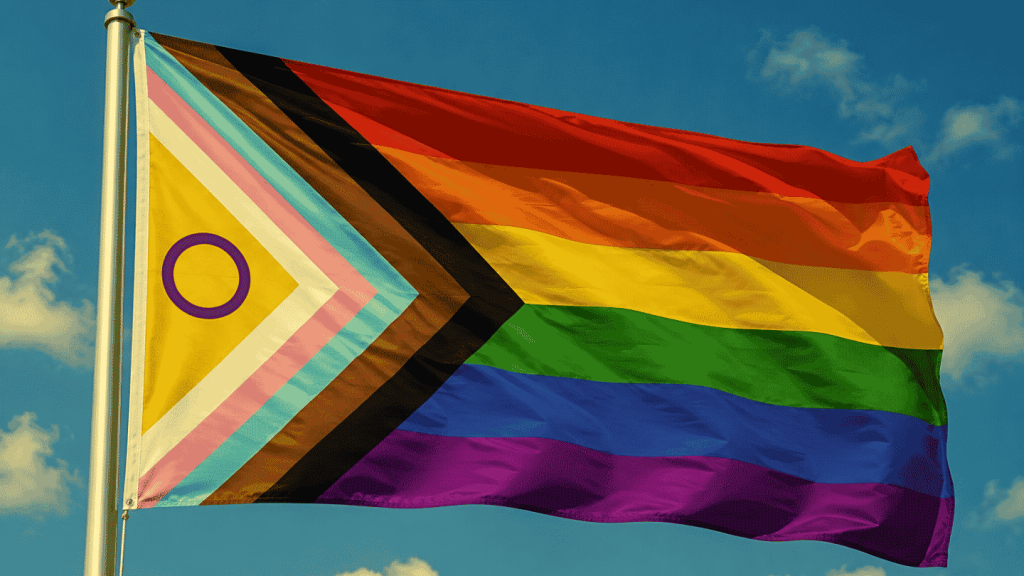
The LGBTQQIP2SAA full acronym can look overwhelming at first, especially when someone only knows shorter terms like LGBTQ+.
I treat each letter as a doorway into real language people use for identity, attraction, culture, and self-understanding. My aim is to make the meaning of LGBTQQIP2SAA clear without flattening anyone into a label.
This piece looks at each letter, why acronym versions differ, which related terms often appear nearby, and how to use these words with care.
For readers learning, questioning, supporting someone, or writing about the topic, the details matter more than memorizing letters.
Letter-by-Letter Breakdown of LGBTQQIP2SAA Full Acronym
LGBTQQIP2SAA most commonly stands for lesbian, gay, bisexual, transgender, queer, questioning, intersex, pansexual, two-spirit, androgynous, and asexual.
Before getting into each term, it helps to notice something important. The acronym does not name only one kind of identity. Some letters describe sexual orientation.
Some describe gender identity or gender expression. Intersex describes sex traits. Two-Spirit carries cultural and spiritual meaning for some Indigenous people.
That is why careful definitions matter. A short list can answer the search, but it cannot explain the lived meaning behind each word. The sections below keep those differences clear without treating people like glossary entries.
L – Lesbian
A lesbian usually describes a woman who is emotionally, romantically, or sexually attracted to women. Some non-binary people also use lesbian because it fits their relationship to attraction, womanhood, or community.
Not every woman attracted to women uses this word. Some may use gay, queer, bisexual, pansexual, or another label. The useful point is not to force a category. It is to understand what the word can mean when someone chooses it.
G – Gay
Gay is often used to describe a man who is attracted to men. It can also be used more broadly for people attracted to the same gender. Some women, non-binary people, and gender-diverse people use gay for themselves too.
In everyday language, gay can work as a specific identity and as a wider community term. Context matters. If someone uses gay for themselves, that word should be respected without asking them to prove why it fits.
B – Bisexual
Bisexual means attraction to more than one gender. It does not have to mean attraction only to men and women. Many bisexual people use the term to describe attraction to their own gender and other genders.
This is a common place where people get the definition wrong. Bisexuality does not erase non-binary people. It also does not mean someone is equally attracted to every gender, or that their identity changes based on their current partner.
T – Transgender
Transgender describes someone whose gender identity differs from the sex they were assigned at birth. A transgender person may be a woman, a man, a non-binary person, or another gender.
Transgender is about gender, not attraction. A transgender person can be straight, lesbian, gay, bisexual, pansexual, asexual, or use another orientation label. Their gender tells you who they are. It does not automatically tell you who they love or date.
Q – Queer
Queer is a broad word for people who are not straight, not cisgender, or both. Many people use queer because it feels open, political, personal, or less boxed in than a narrow label.
The word also has a painful history as a slur. Some people have reclaimed it, while others still do not want it used for them. That history matters. Queer should be used with care, especially when describing someone who has not used it for themselves.
Q – Questioning
Questioning describes someone learning about their sexual orientation, gender identity, or both. It can mean someone is unsure, curious, private, changing, or still finding the right language.
Questioning should not be treated as a joke or dismissed as confusion. It also does not require an instant answer. For many people, especially younger readers, questioning can be a real part of self-understanding. Time and safety often make that process clearer.
I – Intersex
Intersex is an umbrella term for people born with sex traits that do not fit typical male or female categories. These traits may involve chromosomes, hormones, genitals, internal anatomy, or reproductive traits.
Intersex is not the same as transgender. Intersex describes natural variations in sex traits, while transgender describes gender identity in relation to sex assigned at birth. Some people may be both intersex and transgender, but the terms do not mean the same thing.
P – Pansexual
Pansexual means attraction to people of any gender. A helpful way to understand pansexuality is that gender may not be the limiting factor in attraction.
This does not mean pansexual people are attracted to everyone. No orientation means attraction to every person. Pansexuality and bisexuality can overlap, but they are not interchangeable for everyone. People choose the word that best describes their experience.
2S – Two-Spirit
Two-Spirit is a term used by some Indigenous people to refer to cultural, spiritual, gender, and/or sexual identity. It can carry meanings tied to community roles, tradition, gender, and spirituality.
Two-Spirit is not a universal replacement for LGBTQ+. It is also not a label non-Indigenous people should adopt for themselves. Different Indigenous nations and communities may understand gender and sexuality in different ways, so this term should never be flattened into one simple definition.
A – Androgynous
Androgyny is linked to gender expression, presentation, and sometimes identity. It can describe a style, appearance, or way of moving through the world that includes masculine and feminine qualities.
A person of any gender can present androgynously. Someone may look androgynous without identifying as non-binary. Someone may also identify as androgynous in a deeper personal sense. The word depends on how it is being used.
A – Asexual
Asexuality describes someone who experiences little or no sexual attraction. Asexual people may still want romance, partnership, affection, family, emotional closeness, or physical closeness.
Asexuality is not the same as celibacy. Celibacy is a behavior or choice. Asexuality is an orientation. Some asexual people are also aromantic, meaning they experience little or no romantic attraction, while others want romantic relationships.
For everyday writing, LGBTQ+ or LGBTQIA+ is usually easier. Use LGBTQQIP2SAA when the expanded acronym itself is the topic.
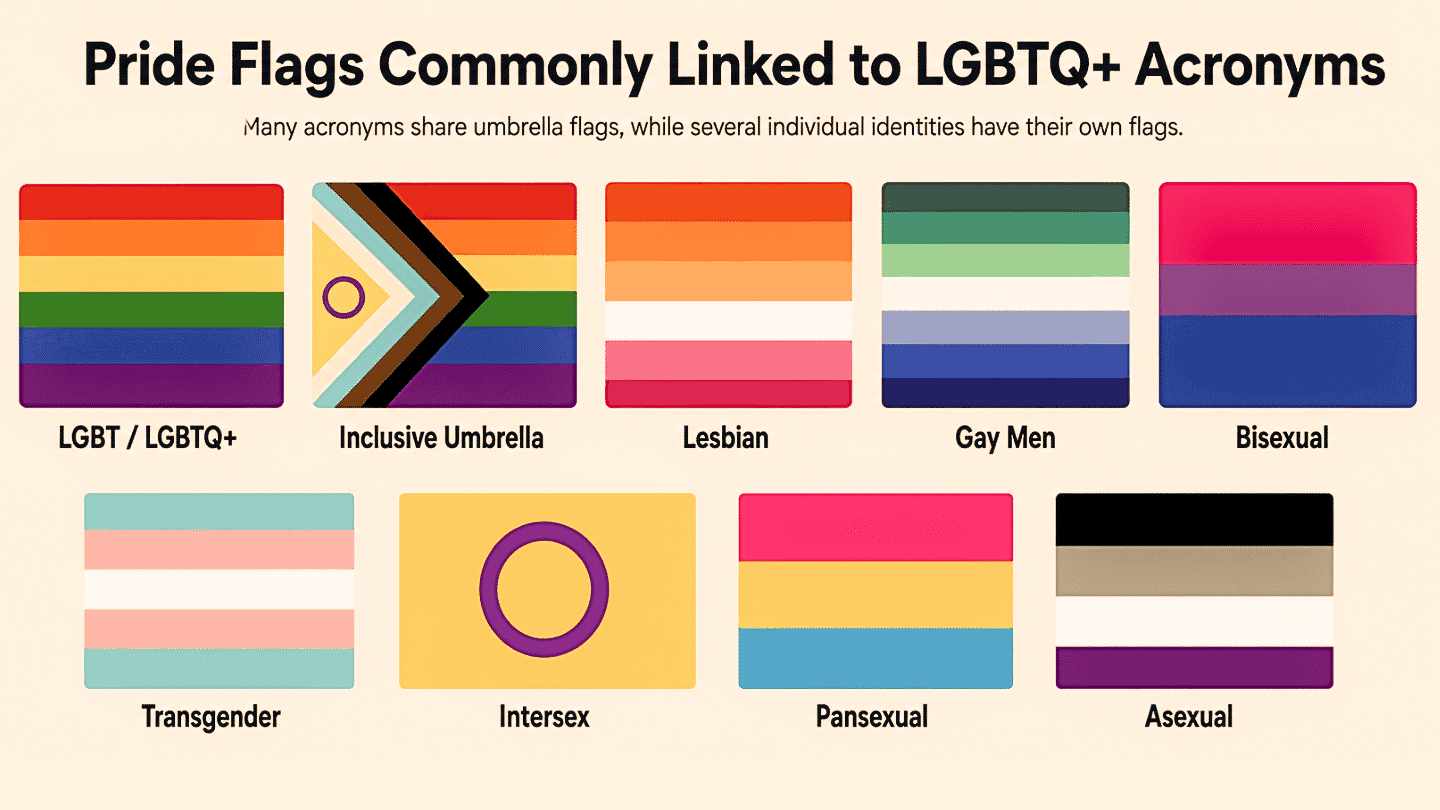
LGBTQQIP2SAA vs Other LGBTQ+ Acronyms
Different acronyms appear in different spaces because communities, educators, advocates, and writers may choose different levels of detail.
| Acronym | When It Works Best |
|---|---|
| LGBT | Short historical context or limited space |
| LGBTQ+ | General writing, headlines, and broad community references |
| LGBTQIA+ | Education, advocacy, and content that needs a fuller but readable acronym |
| 2SLGBTQIA+ | Contexts where Two-Spirit visibility is relevant and culturally appropriate |
| LGBTQQIP2SAA | Explainers focused on the expanded acronym and each letter’s meaning |
The longest acronym is not always the strongest choice. The right one depends on the audience, context, and who is being named.
Other Common LGBTQ+ Terms Readers May See
Acronyms are only one part of identity language. These terms help readers separate attraction, gender, expression, and community-specific wording.
- Sexual orientation: Sexual orientation describes a pattern of romantic, emotional, or sexual attraction. Examples may include lesbian, gay, bisexual, pansexual, straight, queer, or asexual.
- Gender identity: A person’s internal sense of gender. This may be a woman, a man, non-binary, both, neither, or another gender.
- Gender expression: Gender expression is how someone presents gender through clothing, voice, hairstyle, mannerisms, or social cues. Expression does not always reveal identity or orientation.
- Cisgender: Cisgender describes someone whose gender identity aligns with the sex they were assigned at birth. The word is neutral, not an insult or political label.
- Non-binary: A gender identity that is neither man nor woman. Some non-binary people identify as transgender, while others do not.
- Aromantic: Aromantic describes someone who experiences little or no romantic attraction. It is different from asexuality, though some people are both.
- Agender: Agender can mean having no gender, not identifying with gender, or feeling disconnected from gender categories.
- Same-gender loving: Same-Gender Loving is a term used by some Black LGBTQ+ people as a culturally rooted alternative to terms like gay or lesbian.
These terms help readers understand the acronym more precisely, especially when a letter relates to attraction, identity, expression, or culture.
| Some versions use A for Ally, while others use A for Asexual, Aromantic, or Agender. Allyship supports LGBTQ+ individuals and combats stigma, exclusion, and discrimination. Clarify the meaning of A to avoid confusion, as acronyms are not always standardized. Writers should define the acronym used to ensure clarity for all readers. |
How to Understand and Use LGBTQ+ Terms with Care
Understanding LGBTQ+ terms is easier when readers separate identity, attraction, bodies, and expression. Sex traits relate to the body. Gender identity is a person’s internal sense of gender. Attraction describes who someone may be drawn to romantically, emotionally, sexually, or affectionately.
A transgender woman may be lesbian, straight, bisexual, pansexual, asexual, or another orientation. Her gender tells you who she is, not who she is attracted to.
Use the words a person uses for themselves. Do not ask intrusive questions about bodies, medical history, sex, or transition details. Do not out someone. If you use the wrong word or pronoun, correct it briefly and continue with care.
When I write about identity, I try to treat language as living, not fixed in place. Labels can help, but they should not feel like a test. I would rather give readers room to think than make identity sound like a checklist.
Frequently Asked Questions
Why does LGBTQQIP2SAA include both identity and attraction terms?
LGBTQQIP2SAA includes different kinds of terms because LGBTQ+ language developed in response to community needs rather than from a single formal system. Some letters describe attraction, some describe gender, some describe sex traits, and Two-Spirit carries cultural meaning for some Indigenous people.
Why do some people prefer LGBTQ+ instead of longer acronyms?
Some people prefer LGBTQ+ because it is shorter, easier to read, and still includes the plus sign for identities not named directly. Others prefer longer acronyms because visibility matters. Neither choice is automatically better without knowing the context.
What should I do if I use the wrong term for someone?
Apologize briefly, correct yourself, and continue with care. A long apology can make the other person feel comforted, which is not fair. The better response is to learn from the correction and use the right language next time.
Summing Up
The LGBTQQIP2SAA acronym helps readers see how many identities can sit behind the LGBTQ acronym. It names orientation, gender, expression, sex traits, culture, and questioning without pretending one list can say everything.
I hope the blog leaves readers clearer, kinder, and less afraid of getting every term perfect on the first try.
My final point is simple: language should help people feel recognized, not reduced. Read the definitions carefully, share the piece with someone learning, or comment with a term that deserves more context.