

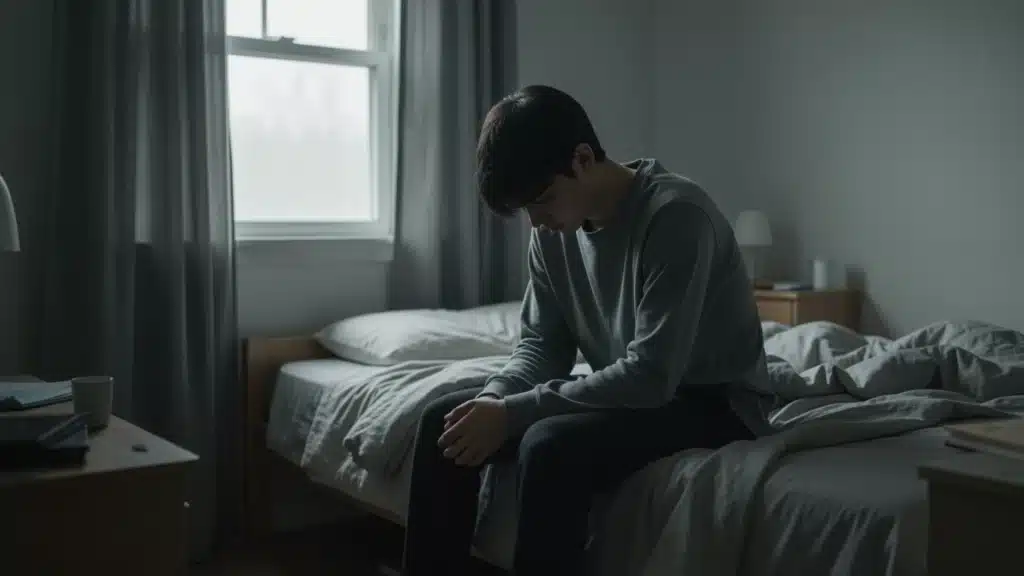
Not all abuses are marked by a bruise, a scar, or an incident.
Some are just a collective baggage of a parent or caretaker who shared too much, crossed invisible lines in ways you couldn’t explain.
There’s a term for what you’ve gone through; it is called covert sexual abuse.
Understanding covert sexual abuse
It is a form of boundary violation that occurs without physical contact.
It’s subtle and hides behind what appears to be normal family closeness, making it hard to identify.
According to the RAINN Perpetrators of Sexual Violence Statistics, roughly 60% of sexual assaults are committed by someone known to the victim.
It usually involves a parent or trusted adult treating a child like a surrogate partner.
That might mean oversharing details about their sex life, making comments about the child’s body, or leaning on them for emotional support that should come from another adult.
There are no visible bruises or obvious incidents.
Just a slow, quiet erosion of boundaries that leaves the child confused, responsible, and unsure whether what they experienced even counts as abuse.
Recognizing covert sexual abuse in everyday interactions
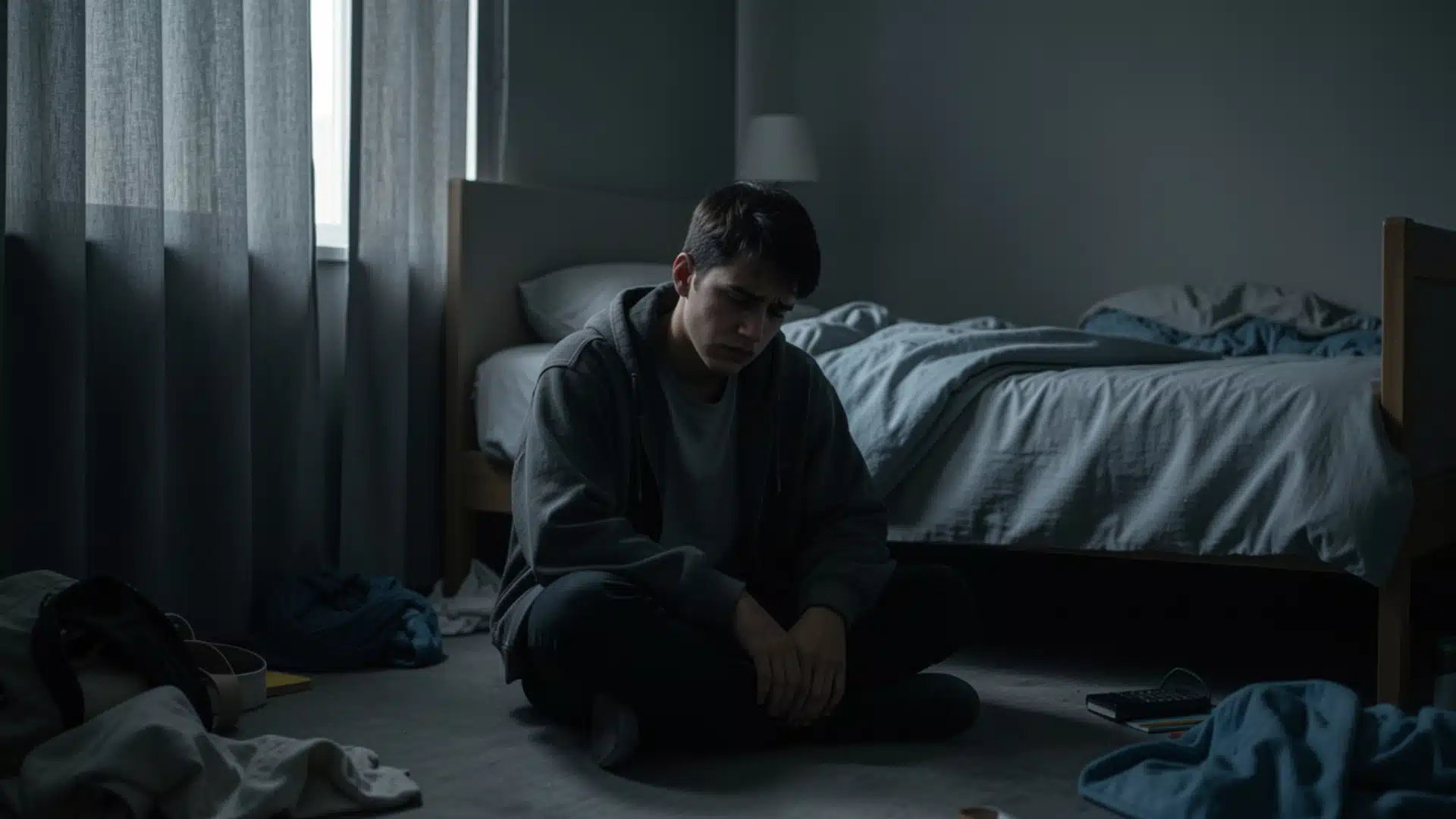
Covert abuse hides in plain sight, dressed up as normal family closeness in everyday conversations.
Because there are no obvious physical signs, it’s easy to second-guess yourself.
1. Inappropriate sharing of adult topics
A parent regularly discusses their romantic life, sexual problems, or intimate details with their child.
Treating them like a confidante instead of a kid.
This whole thing shifts an adult’s emotional weight onto someone who never asked to carry it, leaving them feeling overwhelmed and confused.
2. Excessive emotional reliance and jealousy
The parent leans on the child for support, then gets jealous when that child wants time with friends or develops their own romantic interests.
This leaves the child feeling guilty for simply growing up.
3. Comments about the child’s body or appearance
Remarks about physical development, weight, attractiveness, or clothing that feel sexualizing or shaming rather than supportive.
These comments don’t just sting in the moment but leave psychological marks that tend to stick for years.
4. Lack of privacy or boundary violations
Small things that make a space feel like a space for the child, such as not knocking before entering, reading private messages, or refusing to respect closed doors as the child gets older.
Each instance alone might seem small.
But together, they leave the child with no sense of safe personal space.
5. Using the child as a surrogate spouse
Turning the child into the primary source of emotional comfort, advice, and affection leads them to adopt a role that belongs to another adult.
The child gradually feels responsible for keeping the parent okay.
Completely ignoring the fact that the role never belonged to them, it was never their job to fit into it.
What is covert incest?
It is a specific type of non-physical boundary violation in which a parent or caregiver treats a child as a surrogate emotional partner.
This involves a lot of shady things.
Such as sharing intimate adult problems, seeking comfort and affection that should come from another adult, or creating a relationship that carries romantic or sexual undertones.
While covert sexual abuse is the broader category covering various subtle sexual violations, covert incest specifically refers to this parent-child dynamic.
The impact of covert incest on a person is profound and long-lasting.
They range from confusion about boundaries, guilt, difficulty forming healthy romantic relationships, low self-esteem, and long-term emotional and psychological challenges.
How covert sexual abuse differs from other forms of abuse
Covert abuse is often overlooked or misunderstood because it lacks visible injuries or obvious sexual acts.
But there are a lot of points that clearly separate covert abuse from other forms of abuse.
| Aspect | Covert Sexual Abuse | Physical Abuse | Overt Sexual Abuse | Emotional Abuse |
|---|---|---|---|---|
| Nature | Subtle boundary violations, no touch | Physical harm or injury | Direct sexual acts or contact | Manipulation, criticism, rejection |
| Visibility | Hidden, often invisible | Visible bruises, marks | Often obvious or reported | Invisible but damaging |
| Abuser’s Method | Emotional enmeshment, inappropriate intimacy | Hitting, slapping, pushing | Forced touching or assault | Shaming, gaslighting, and control |
| Impact | Confusion, boundary issues, shame | Physical injuries, fear | Trauma, PTSD, trust issues | Low self-worth, anxiety |
Emotional, psychological, and relational effects on survivors
Covert abuse leaves no visible bruises or physical scars, yet it can cause serious, lasting damage to a person’s emotional and psychological well-being.
The victim carries these effects throughout their life, and they surface in unexpected ways.
1. Chronic self-doubt and confusion
Survivors often question their own experiences, wondering if they are overreacting or imagining the abuse.
This leads to difficulty trusting their feelings and constant second-guessing in relationships and decisions.
2. Difficulties forming healthy boundaries
Many struggle to say “no” or to recognize inappropriate behavior, resulting in unbalanced relationships in which they feel responsible for others’ emotions at the expense of their own needs.
3. Anxiety, depression, and low self-worth
The hidden nature of the abuse can create ongoing anxiety, feelings of worthlessness, and depression as survivors internalize blame and carry deep-seated shame about their bodies and emotions.
4. Trust and intimacy challenges
Forming close romantic or sexual relationships becomes difficult due to fear of betrayal, emotional flooding, or repeating unhealthy patterns learned in childhood.
5. Guilt and people-pleasing tendencies
Many survivors feel excessive guilt for setting limits with family and develop strong people-pleasing habits, leading to burnout and resentment in relationships.
Legal pathways, support systems, and healing resources
If you’re a victim, the first thing to remember is that you’re not alone.
Know that you have rights and there are pathways to seek justice and support.
Many regions recognize emotional and psychological sexual abuse under child abuse or sexual exploitation laws.
In the United States, under the federal Child Abuse Prevention and Treatment Act (CAPTA), maltreatment explicitly includes acts that result in harm and sexual exploitation.
This allows survivors to pursue protective orders, file civil lawsuits for damages, or report to authorities even years later, depending on local statutes of limitations.
For immediate help, reach out to trusted resources like the RAINN National Sexual Assault Hotline (1-800-656-HOPE)
Therapy with trauma-informed professionals is also an option that’s open.
Final thoughts
Covert sexual abuse can leave deep, invisible scars, but recognizing it is the first step toward healing and reclaiming your life.
The most important thing is to remember that your feelings are real and you are not alone.
By learning the signs, understanding the effects, and exploring your legal rights and support options, you can free yourself from confusion and shame.
Always remember that healing is possible.
So, reach out for help today because you deserve healthy boundaries, respect, and a life filled with genuine care.
Frequently asked questions (FAQs)
1. Is a kiss considered sexual assault?
It depends on consent. A non-consensual kiss is sexual assault, but a consensual kiss is not.
2. What are four forms of sexual harassment?
Unwanted touching, sexual comments or jokes, showing sexual images, and quid pro quo (favors for sex) are forms of sexual harassment.
3. What is sexual harassment?
Unwelcome sexual behavior that offends, humiliates, or creates a hostile environment for someone.