

Key Takeaways
Tantra gets misunderstood because of where the “sex thing” rumor actually comes from.
Most of the practice happens inside you, not in fancy poses.
Different paths mean tantra looks different depending on which one you explore.
You don’t need a partner or years of experience to start.
A yoga session feels completely different from regular yoga class
What does tantra mean?
The word “tantra” comes from Sanskrit and means “weave” or “expansion.”
It’s basically a system of practices built to expand your awareness by connecting every part of who you are: your body, mind, emotions, and energy.
Using techniques such as mantra, visualization, and energy work, you learn to balance opposing forces within yourself.
Life itself becomes your spiritual path
The core philosophy behind tantra
Tantra starts with a simple idea: everything is interconnected and sacred.
Your body, emotions, and daily life aren’t obstacles to spirituality, but they’re gateways to it, and there’s no separation between spirit and matter.
- Integration: Embrace all experiences without pushing them away.
- Presence: Meet each moment with full awareness.
- Energy transformation: Work with Shakti (your life force) through breath and meditation to dissolve blocks.
- Non-duality: The divine isn’t somewhere else. It’s already inside and around you.
Real freedom doesn’t come from escaping the world. It comes from meeting it fully, with awareness and reverence.
That’s how ordinary moments become awakening.
What is tantric yoga?
It is a spiritual practice that started in India centuries ago.
It combines physical poses, breathing, meditation, and energy work to wake up your consciousness.
Unlike some yoga styles that ask you to step away from the world, this one takes the opposite approach: it uses your body, your senses, and your daily life as tools for spiritual growth.
The idea is that you don’t have to escape life to find something sacred. You can discover it right here.
The main elements of tantric yoga practice
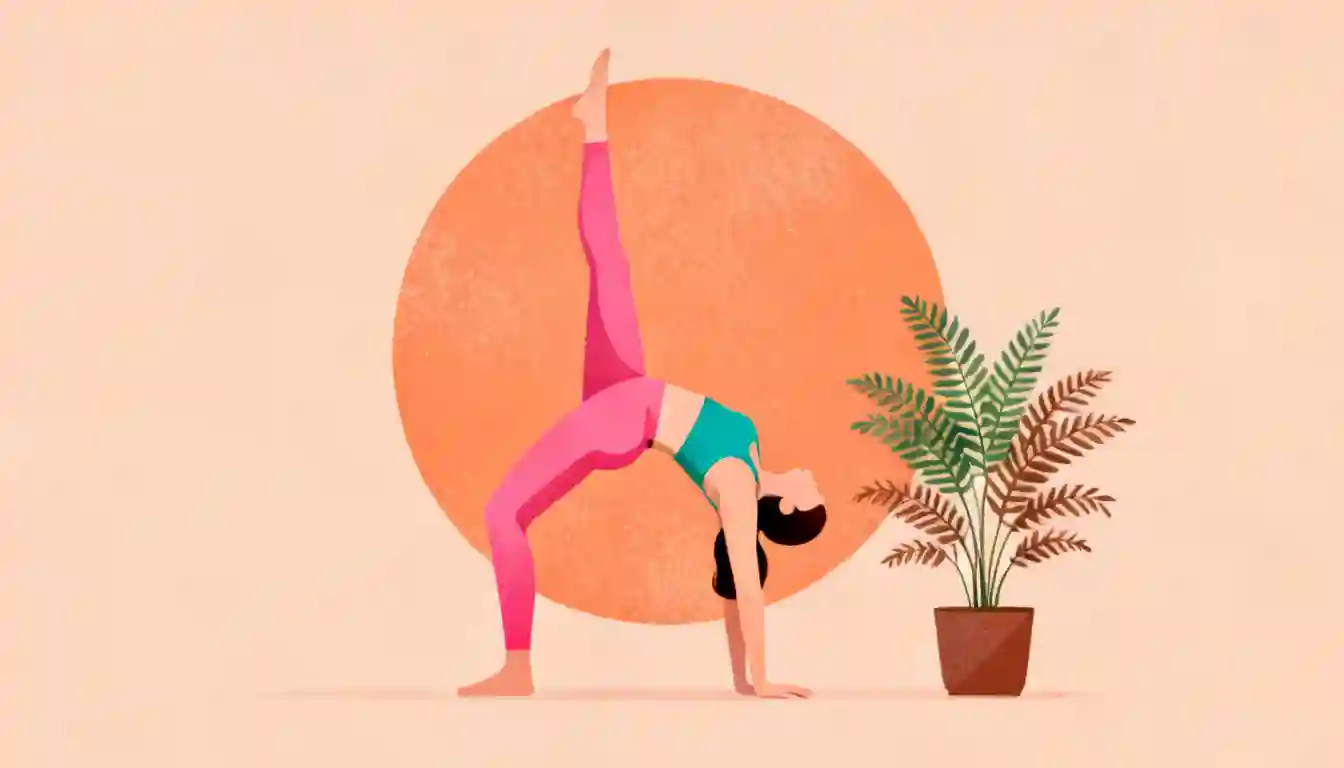
It brings together several practices that work together. They help your body, mind, and energy connect as one whole.
1. Asana: physical postures with awareness
In this yoga, you hold poses longer and pay closer attention to how they feel.
You’re not just stretching or getting strong but preparing your body to flow with energy. Poses that work your spine and hips matter most.
2. Pranayama: breath as life force
Your breath is your superpower here. You practice controlled breathing to clear blocked energy, balance yourself, and calm your mind.
Simple techniques like breathing through one nostril at a time help. Your breath connects your body and consciousness together.
3. Meditation and visualization
You don’t just sit in silence, but you visualize light, symbols, or chakras in your body.
You imagine energy moving through you. This sharpens your focus, wakes up your intuition, and creates moments of inner peace.
4. Mantra, mudra, and bandha
Mantras are sounds you chant to shift your energy, and Mudras are hand shapes that guide energy through your body.
Bandhas are internal locks that hold that energy in place. Together, they create significant change.
5. Rituals and energy practices
Daily rituals, sacred diagrams, and subtle body work are part of many tantric paths.
They help you see the sacred in everyday life and move toward deeper spiritual connection and awareness.
Different types of tantra you should know
Tantra isn’t a single thing; there are several paths, each with its own approach.
Understanding these differences clears up the big misconception about tantra and sex.
Right-hand path (dakshina marga): This is mainstream tantra, which focuses on meditation, chanting, and breathwork. Everything stays internal and structured.
Left-hand path (vama marga): This path is intense and rare; it uses forbidden practices, including sexual energy, to transform desire into spiritual fuel. It’s not for beginners and needs a skilled teacher.
Neo-tantra or modern tantra: This is Western tantra. It emphasizes sexuality, intimacy, and feeling good. It can help with connection, but it’s different from the classical practice.
Tantric yoga vs other popular yoga styles
This yoga style is the only style that treats your body and senses as sacred tools for spiritual growth. Most other styles focus on the physical.
| Yoga Style | Main Focus | Pace | Energy Work | Spiritual Goal |
|---|---|---|---|---|
| Tantric Yoga | Body, mind, energy, consciousness | Slow, intentional | Central to practice | Full transformation and awareness |
| Hatha Yoga | Physical poses and breathing | Moderate | Secondary | Flexibility and strength |
| Vinyasa Yoga | Moving with breath | Fast, flowing | Minimal | Fitness and flow state |
| Yin Yoga | Deep stretching | Very slow | Subtle | Release and relaxation |
| Kundalini Yoga | Energy awakening | Varies | Central focus | Spiritual awakening |
| Bikram Yoga | Poses in heat | Moderate | Minimal | Physical detox and strength |
What happens during a typical tantric yoga session?
A session is slow and intentional; you’re not rushing through poses, but you’re tuning inward.
- Opening: Set an intention or chant a mantra together.
- Breathwork: Controlled breathing to calm your mind and connect with your body.
- Poses: Hold them longer. Feel what’s happening instead of just stretching.
- Energy work: Visualize energy moving through your body or use hand gestures to direct it.
- Meditation: Sit quietly, often with guided visualization.
- Closing: Ground yourself with rest or a final chant.
You leave calm and present, not exhausted. Some people feel tingling or a sense of energy moving. That’s your nervous system waking up, which is normal.
Regular yoga builds strength but it builds awareness.
Is tantra really just about sex?
No!! Tantra includes sexuality, but that’s not the main point.
Most traditional practices focus on meditation, breathing, and energy work.
The sex misconception came from the left-hand path, which is rare and not what people practice.
Modern Western tantra emphasizes sexuality and intimacy, but classical tantra is about spiritual awakening.
Do you need a partner to practice it?
No!! Most practices are solo practices. You work with your own body, breath, and energy.
Partner practices exist, but they’re optional and advanced. A tantric teacher guides you. If you’re interested in partner work later, that’s a choice you make, not a requirement.
Plenty of people practice tantra alone their whole lives and experience deep spiritual growth.
Can beginners practice it?
Absolutely yes!! Most tantric yoga is designed for everyone, regardless of experience.
You start with basic breathing and simple poses, and your teacher guides you step by step. The right-hand path, which most classes follow, is beginner-friendly.
Advanced practices and partner work come later, only if you want them.
Don’t worry about messing up. Tantra is about awareness, not perfection, so show up, and you’re already doing it right.
So, the final thoughts
Tantric yoga has been around for over a thousand years because it actually works.
It’s not mystical nonsense or a secret sex manual. It’s a legit way to feel more alive, grounded, and connected to yourself.
If you’ve been curious but nervous, you know the truth now. You can start today. Find a beginner-friendly class, show up, and pay attention to what happens.
Your body will tell you things, and you might feel tingling, a sense of lightness, or just a deep sense of calm.
Your body’s been waiting for this permission. Go give it a try.
Frequently asked questions (FAQ’s)
1. What is a tantric kiss?
A tantric kiss is about presence and connection. You’re not just kissing passively. You’re breathing together, making eye contact, and being fully aware. It’s intimate and intentional.
2. Is tantra connected to religion?
Tantra has roots in Hinduism and Buddhism, but it’s not a religion itself. You don’t need to believe anything specific to practice it. It works alongside any faith or none at all.
3. How long does it take to experience benefits?
Most people feel calmer and more grounded after their first session. Real changes take weeks or months of regular practice. But even one class can shift how you feel in your body.